
Chromium

Material information

The Ultimate Shield Against Corrosion

Protecting global infrastructure and powering advanced superalloys with Less Common Metals.

Chromium is the ultimate defender against the elements. Renowned for its extreme hardness and unparalleled corrosion resistance, it is the vital ingredient that keeps the modern world from rusting away. From gleaming, modern architecture to the high-stress, high-temperature environments of aerospace engines, Chromium ensures both longevity and peak performance.

As a trusted UK manufacturer of high-purity metals and advanced alloys, Less Common Metals (LCM) provides the foundational elements required for critical metallurgy. Located in Ellesmere Port, UK, we supply the premium-grade Chromium that the aerospace, automotive and heavy industries rely on to build materials that last for generations.

Technical Details

CompositionChromium Lump 99.8%
Common metallic impuritiesTrace metals basis
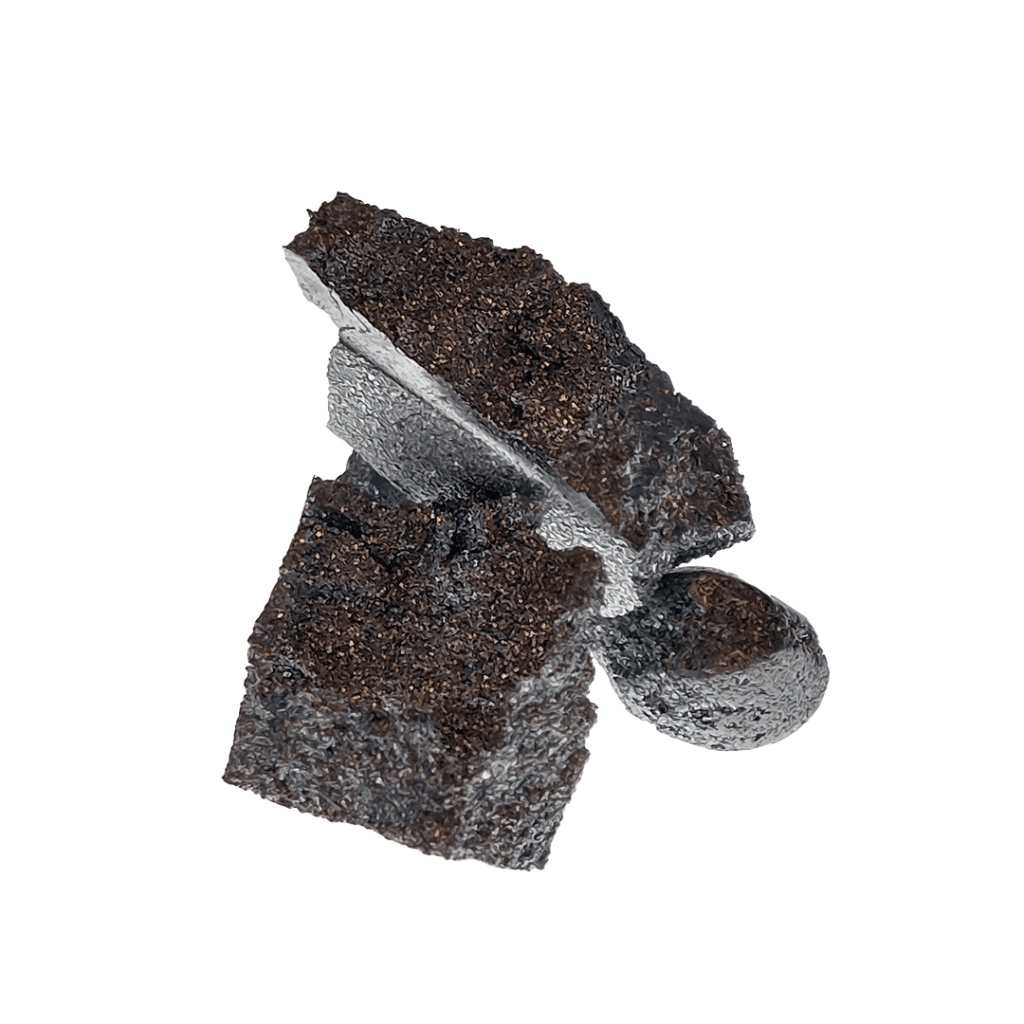
Physical DescriptionSilver-grey metallic lump. Piece size approximately 1 inch x 0.5 inch
AnalyticsICP-OES
Certificate of analysisAvailable upon request
PackagingPacked in sealed polythene bags and supplied in securely sealed metal drums, resistant to the impregnation of water

What is Chromium?

Chromium is a steely-grey, lustrous, hard and brittle transition metal. It takes a brilliant polish, resists tarnishing, and possesses a very high melting point. Interestingly, its name derives from the Greek word ‘chroma’ (meaning colour) because its various chemical compounds are intensely vibrant. However, in its pure metallic form, it’s prized entirely for its mechanical toughness and chemical resilience.

What is Chromium used for?

Chromium’s ability to protect and harden other metals makes it one of the most important industrial elements on Earth:

  • Stainless Steel: This was a major, world-changing development in metallurgy. When a minimum of 10.5% metallic Chromium is added to steel, it reacts with oxygen to form a microscopic, self-healing “passive” layer of chromium oxide on the surface. This invisible barrier is exactly what makes stainless steel highly resistant to rust, corrosion and discolouration. It is the backbone of the medical, culinary, and construction industries.

  • Superalloys & Aerospace: Chromium is a cornerstone of high-performance flight. As seen in our precision Vacuum Induction Melting (VIM) processes, Chromium is alloyed with elements like Cobalt (CoCr) and Aluminium (CrAl) to create advanced superalloys. These materials maintain their structural integrity and resist oxidation even in the extreme, punishing heat of jet engine turbines.

  • Surface Hardening & Plating: Industrial “hard chrome” plating is used extensively across the manufacturing sector. By applying a layer of Chromium to critical moving parts (such as hydraulic cylinders, automotive piston rings and machining tools), engineers can drastically reduce friction and provide extreme wear resistance.

  • Pigments & Dyes: While the metal is used for strength, Chromium compounds (like Chromium Oxide Green or Lead Chromate) are still used to produce highly stable, vibrant pigments for industrial paints, glass and ceramics.

Chromium Industry Insight

The Backbone of Sustainable Infrastructure

While the aerospace and high-tech sectors rely on ultra-high-purity Chromium alloys, the global market is overwhelmingly driven by the stainless steel industry. As the world pushes for more sustainable, long-lasting infrastructure to combat harsher environmental conditions, the demand for corrosion-resistant steel is climbing. Materials that don’t need to be constantly replaced or repaired are inherently more sustainable, placing Chromium at the centre of green building and infrastructure longevity.

Request Chromium Price