
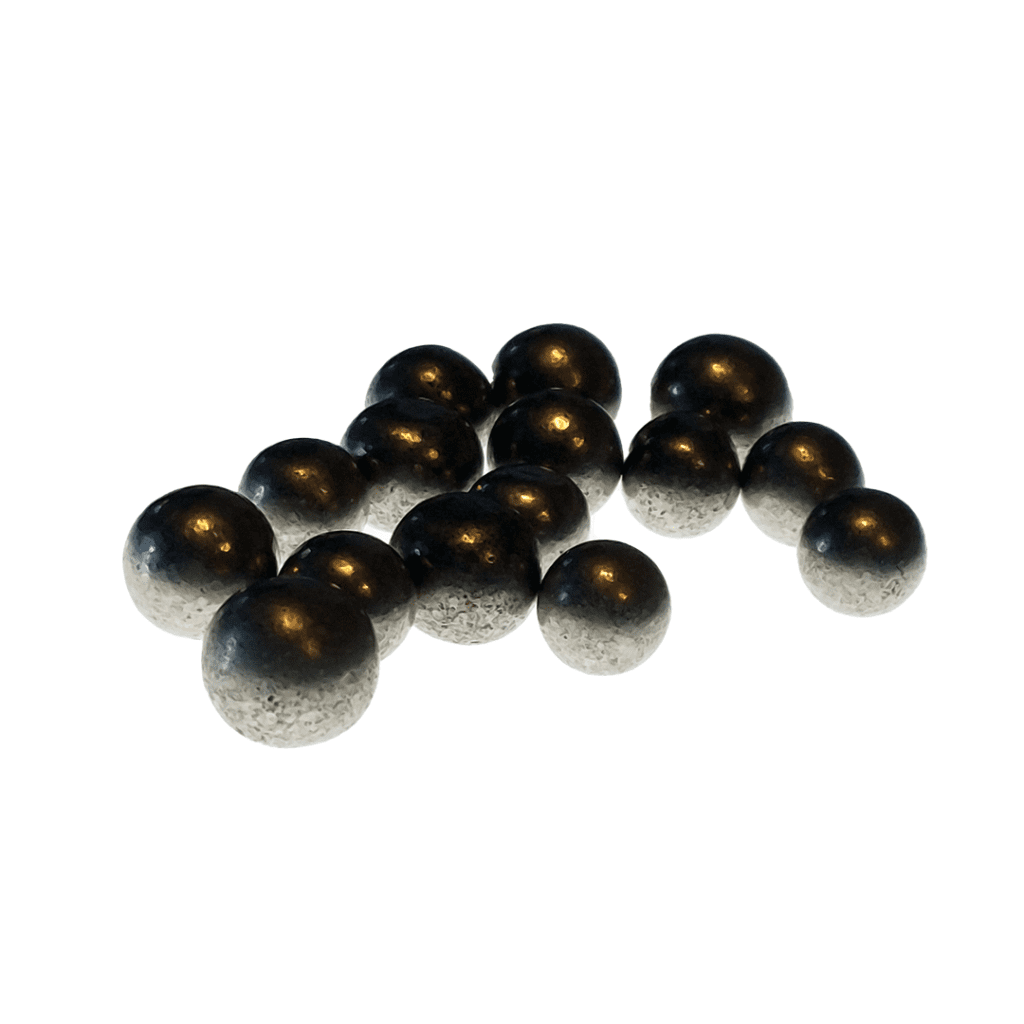
Nickel

Material information

The Versatile Core of Superalloys and Energy Storage

Driving the electric revolution and high-temperature aerospace with Less Common Metals.

Nickel is a metal of extremes. It’s tough enough to withstand the searing heat of a jet engine turbine, yet chemically precise enough to safely store the energy that powers modern electric vehicles. As industries push for higher performance and greener energy solutions, Nickel stands at the very centre of advanced manufacturing.

As a premier UK supplier of high-purity metals, Less Common Metals (LCM) provides the vital materials required for the world’s most demanding environments. Based in Ellesmere Port, UK, we supply the high-grade Nickel essential for stainless steel, bespoke superalloys and the rapidly expanding battery sector.

Technical Details

CompositionNickel Plate 99.99% / Nickel VR 99.97%
Common metallic impuritiesTrace metals basis
Physical DescriptionSilver-coloured plate, typically 15mm thick and 25mm or 50mm square
AnalyticsICP-OES
Certificate of analysisAvailable upon request
PackagingPacked in sealed polythene bags and supplied in securely sealed metal drums, resistant to the impregnation of water

What is Nickel?

Nickel is a silvery-white, hard and ductile transition metal with a slight golden tinge. Crucially, it’s one of only four elements (alongside Iron, Cobalt and Gadolinium) that are ferromagnetic at room temperature. It is highly resistant to corrosion and oxidation, making it an invaluable alloying agent for protecting other, more reactive metals.

What is Nickel used for?

Nickel’s value in modern times is chiefly found in its ability to enhance other materials. Its primary applications include:

  • Stainless Steel & Alloys: This is the heavyweight application. Approximately 68% of global Nickel production goes directly into making stainless steel, providing the alloy with its signature corrosion resistance and formability. A further 17% is used in high-performance alloy steels and copper-based alloys.

  • The Battery Sector: This is the fastest-growing market for the metal. High-purity Nickel is a vital cathode material in Lithium-Ion batteries for Electric Vehicles (EVs). Nickel-rich chemistries (like NMC and NCA) allow batteries to achieve higher energy densities, translating directly into longer driving ranges for consumers.

  • Aerospace Superalloys: Nickel-based superalloys (often combined with Chromium and Cobalt) possess incredible high-temperature strength and creep resistance. They are the materials of choice for the hottest sections of jet engines and industrial gas turbines.

  • Permanent Magnets: Because of its room-temperature ferromagnetism, Nickel is a key component in Alnico (Aluminium-Nickel-Cobalt) magnets. These magnets offer a perfect intermediate strength between standard Iron-based magnets and ultra-powerful rare-earth magnets.

  • Chemical Compounds & Plating: Around 9% of Nickel is used in electroplating to provide hard, wear-resistant and decorative finishes. As a compound, it’s widely used as a catalyst for the hydrogenation of vegetable oils, in specialised metal surface treatments, and to create vibrant green pigments.

Nickel Industry Insight

Not all Nickel is created equal. While lower-grade “Class 2” Nickel (like Nickel Pig Iron) is suitable for making stainless steel, the EV battery market requires ultra-pure “Class 1” Nickel. As the world transitions to electric transport, the demand for Class 1 Nickel is skyrocketing. Thus, placing immense pressure on the global supply chain and highlighting the strategic importance of secure, high-quality Western suppliers.

Request Nickel Price