
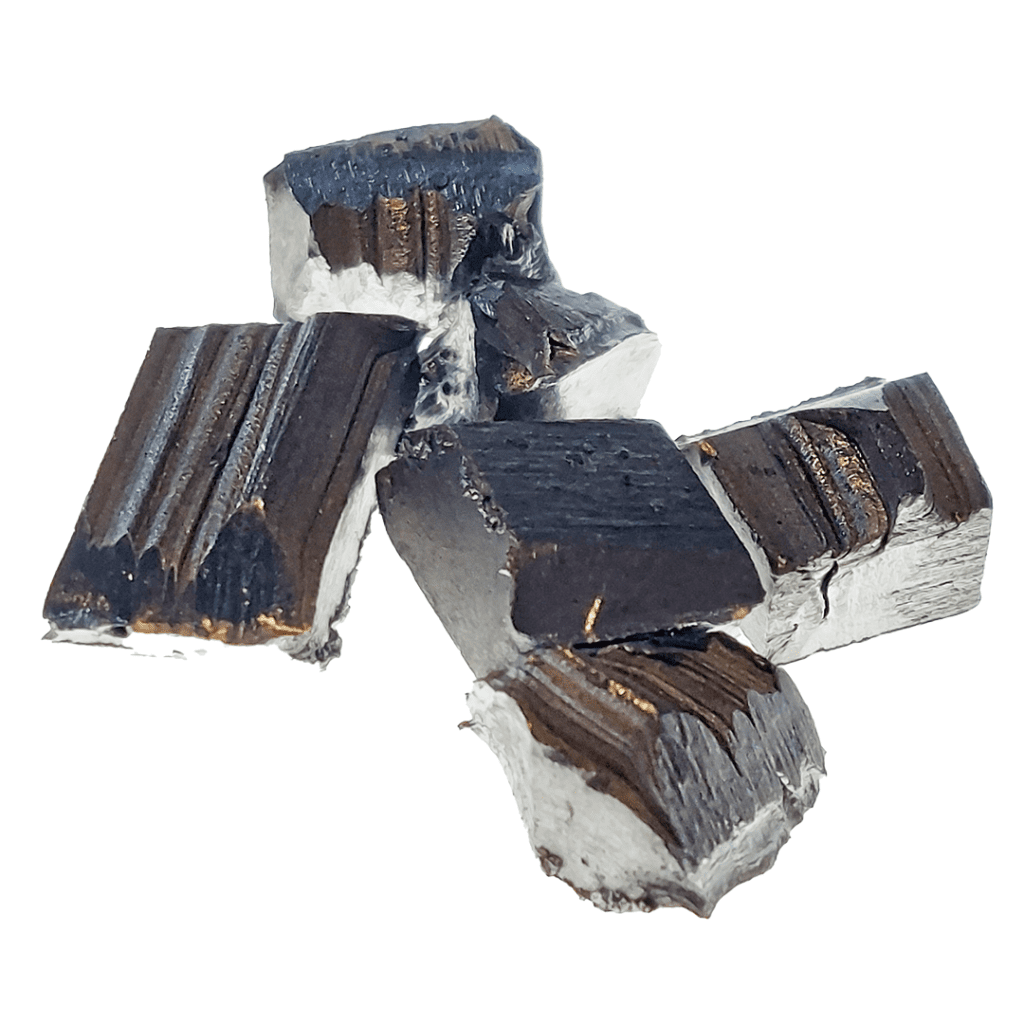
Niobium

Material information

The Superconducting Powerhouse

Reinforcing global infrastructure and enabling medical marvels with Less Common Metals.

Niobium is the metal of extremes. Whether it is fortifying the structural steel of a deep-sea gas pipeline or chilling down to near absolute zero to power the magnetic core of a medical MRI scanner, Niobium excels under pressure. It is a critical enabler of heavy industry and advanced healthcare alike.

As a trusted UK manufacturer of advanced materials, Less Common Metals (LCM) understands the exacting demands of the aerospace, medical and energy sectors. Located in Ellesmere Port, UK, we supply the high-purity Niobium required to push the boundaries of superconducting technology and high-strength alloys.

Technical Details

CompositionNiobium Lump 99.9%
Common metallic impuritiesTrace metals basis
Physical DescriptionGrey metallic
AnalyticsICP-OES
Certificate of analysisAvailable upon request
PackagingPacked in sealed polythene bags and supplied in securely sealed metal drums, resistant to the impregnation of water

What is Niobium?

Niobium is a soft, grey, crystalline transition metal. It is highly ductile, highly resistant to corrosion, and boasts a very high melting point. Chemically, it is so similar to Tantalum (Ta) that the two elements were once thought to be identical. However, Niobium’s true claim to fame is its ability to become a superconductor at extremely low temperatures, and its unparalleled ability to strengthen steel when added in even minute quantities.

What is Niobium used for?

Niobium’s applications are split between massive infrastructural scale and highly precise medical and aerospace technologies:

  • High-Strength Low-Alloy (HSLA) Steel: The vast majority of Niobium is used as a micro-alloying element in steel. Adding just a tiny fraction of a percent of Niobium significantly enhances the toughness, strength and weldability of the steel. This makes it vital for the construction of modern automotive bodies, bridge structures, and massive high-pressure gas and oil pipelines.

  • Superconductors (MRI Scanners): When alloyed with Titanium or Tin, Niobium creates incredibly powerful superconducting materials. These alloys are wound into massive wire coils that, when cooled with liquid helium, lose all electrical resistance. This technology is widely used to create the powerful superconducting magnets inside MRI scanners and particle accelerators like the Large Hadron Collider.

  • Aerospace Superalloys: The temperature stability of Niobium makes it a critical component in Iron-, Nickel-, and Cobalt-based superalloys. These high-performance materials are used in the exhaust systems, combustion equipment, and turbine blades of jet engines and rockets.

  • Jewellery & Optics: Niobium is hypoallergenic and, through an anodisation process, can be made to display a brilliant array of iridescent colours without the use of dyes. This makes it highly popular in modern jewellery, numismatics (coin making) and specialised optics.

Niobium Industry Insight

The Weight-Saving Miracle

In the automotive and aerospace industries, “lightweighting” is the key to fuel efficiency and reduced emissions. Niobium is a miracle element for this goal, as it drastically increases the strength of steel. With this, engineers can use less material to achieve the same structural integrity. Thus, shedding massive amounts of weight from cars, trucks and aircraft without sacrificing an ounce of safety.

Request Niobium Price